January 16, 2026
Growing up, my mom read self-help books by authors like Wayne Dyer, Norman Vincent Peale, and Shirley MacLaine. My dad called it “navel gazing,” and poked fun at the idea. Those were different times. Now it seems it’s broadly recognized as a personal responsibility for us to understand our own joys and triggers. To know what makes us tick, and what makes us explode or tip into other emotional states. There are literally shelves and shelves of “self-help” and “personal growth” sections at libraries and bookstores, podcasts and webinars, all with different takes on knowing yourself. Tools, workshops, workbooks, trainings galore. All you need to access it is an open-mind, curiosity about yourself, and a library card or an internet connection.
Maybe you have heard that you can’t really accept and love someone else until you love and accept yourself. I think it’s the same with connecting with someone else. You want to be able to access your deep compassion and kindness to be in an elder role with someone. So, a part of the elder-in-training journey is to work towards loving and accepting yourself, which puts you in the mindset of being able to love and accept others (see figure).
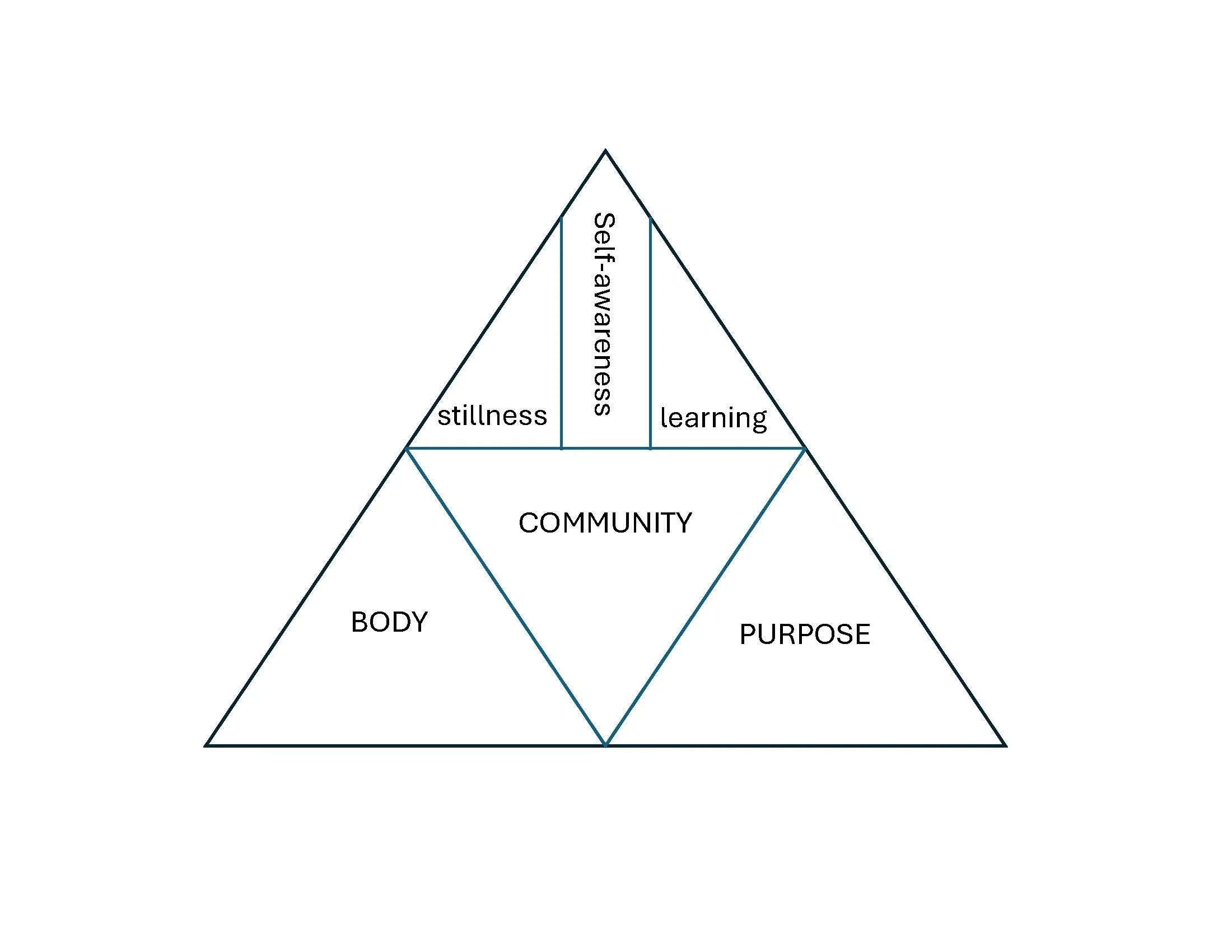
Loving yourself can get a bad rap. It sounds like narcissistic behavior, self-centered and egotistical. But we can make a distinction here. We are not talking about someone who thinks he/she is better than everyone else. Self-awareness is fed by the practice of self-reflection. That “inner life” that I have mentioned in earlier essays. A person who is self-aware knows and appreciates their strengths. and recognizes and accepts (or is working to accept) their flaws. Having this type of self-knowledge is a stepping stone towards love and acceptance of others that is part of what is needed to be an elder. If you are struggling with your own inner demons, being able to help others with their challenges can be a lot to navigate. I love the quote from Dr. Strange – “We never lose our demons, we only learn to live above them.” That is a good description of self-awareness.
Last week I talked about how curiosity about the world can fuel learning. For self-awareness, curiosity is also needed, but the focus of this curiosity is myself. Why did that make me so upset? Why am I nervous about this upcoming situation? In difficult situations, wondering - how I could have handled that situation differently? What is going on with me?
The journey to self-awareness is a long and winding road. And it is a journey, not a destination. At 58, I am still learning things about myself. Usually, it’s a lesson I have had before, but I have not been able to entirely incorporate in my life. For example, I still find myself in situations when I get upset with something that is said, and I react with emotion. When I’m calmer, later, I can wonder, why did that trigger such a strong reaction in me? Part of this is taking responsibility for my reaction rather than blaming someone else, an bringing that curiosity about why.
This is what is meant by self-awareness, that inner reflection. I’m working toward being able to hold calm awareness in all situations. I’m definitely better than I used to be, but I’m not where I want to be yet. So, the final element of Level 2 – moving towards elderhood, is self-awareness. How to work on this? Start with stillness, go to learning, and stay curious.
